Making
The machines decide most of it
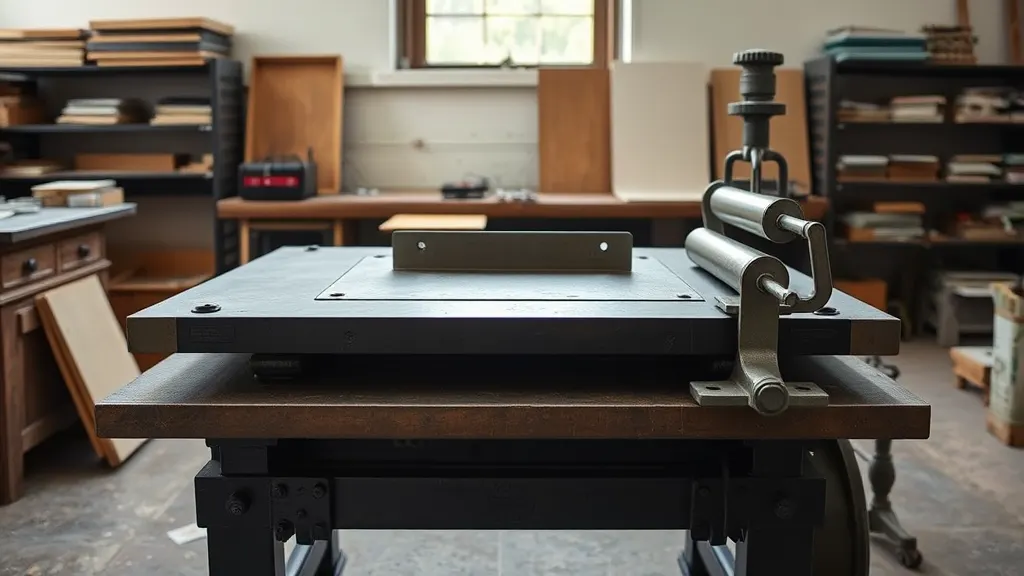
A flatbed proof press, a platen and a risograph. Between them they set the sheet size, the number of colours and how fine a line can survive. The design comes after that, not before.
The machines
Three, all older than the workshop
01
Marlow 4 flatbed proof press, 1962
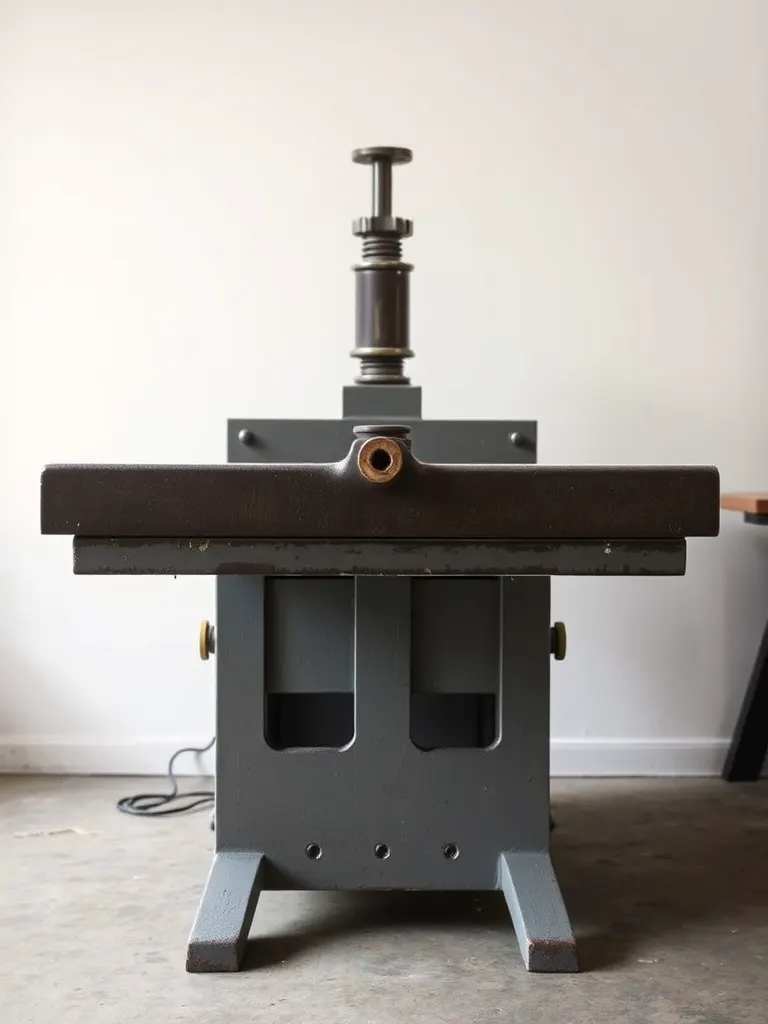
The big one. Maximum sheet 520 x 720 mm, one colour per pass, hand-inked with a roller for anything under twenty sheets. It gives the deepest impression of the three and it is the slowest by a long way: a hundred sheets is a morning.
02
Korvin 18 platen, 1948
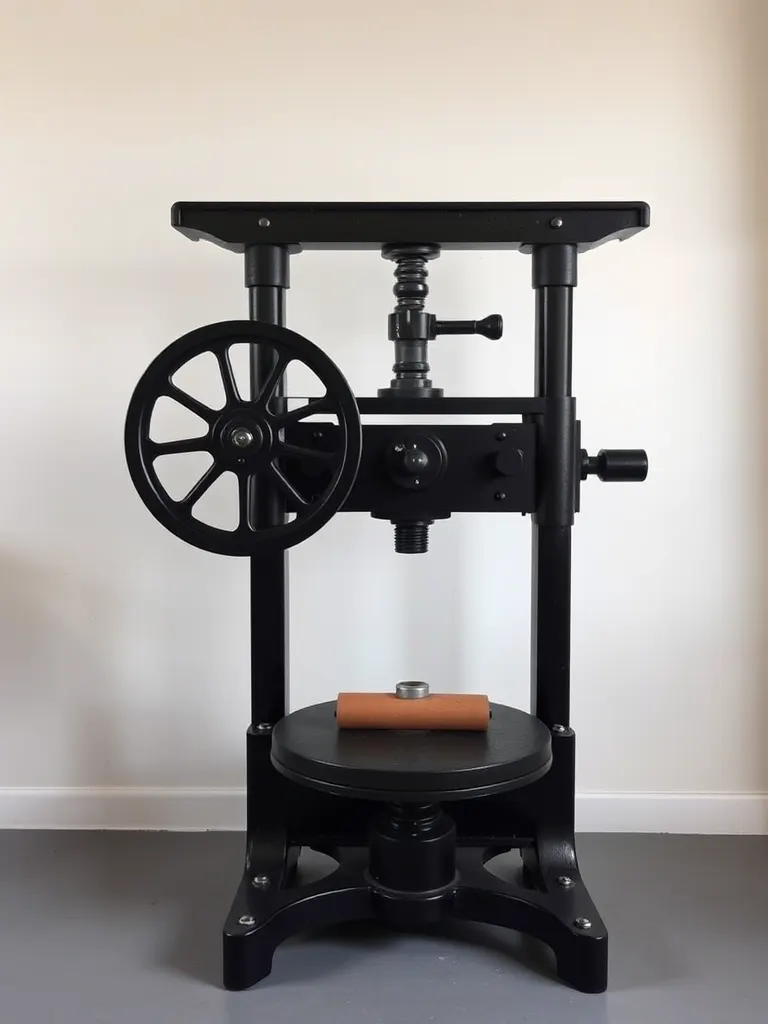
Foot-treadled, used for anything small and repeated: invitations, labels, business cards. Maximum forme 180 x 250 mm and no bleed, because the platen has to grip the edge of the sheet. It is the machine that taught us to leave a margin.
03
Ronda RZ-370 risograph
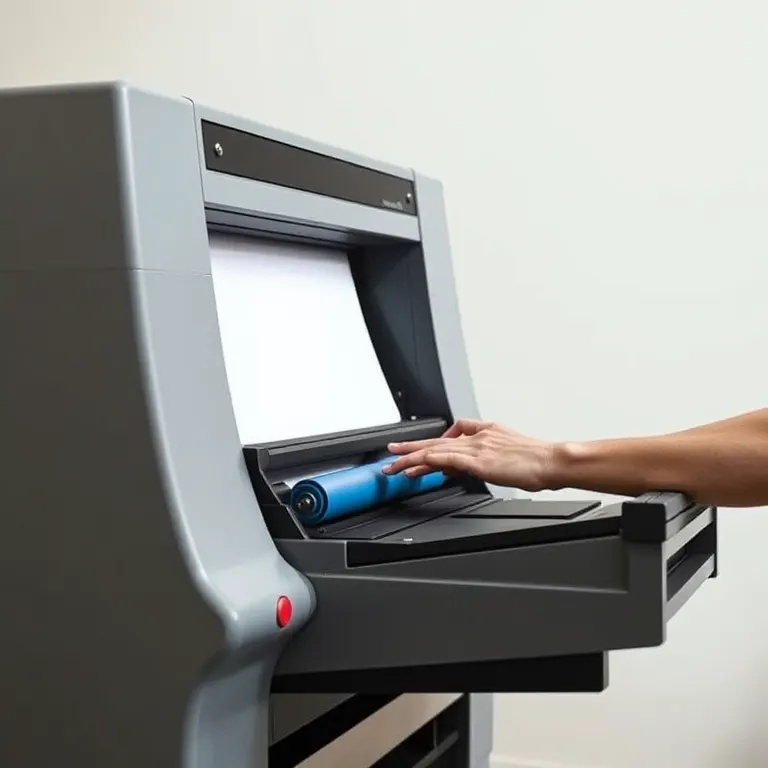
Four drums: federal blue, fluorescent orange, black and bottle green. One colour per pass, registration within about a millimetre, and a soft grain that letterpress cannot imitate. Cheap enough per sheet that an edition of 120 makes sense.
How an edition happens
Five stages over about three weeks
Separate the colours
The drawing is split into two passes on paper before anything is made, because a colour that cannot be separated cannot be printed here.
Plate or type
Polymer plates are made in the workshop and cured overnight. Text-only work is set by hand from the cases, which takes a day for a short page.
Make-ready
Packing the press until the impression is even across the sheet. Fifteen to thirty sheets are wasted here and they are counted out of the edition.
First pass, then wait
The whole run is printed in one colour and racked. Oil-based ink on rag paper needs twenty-four hours before the second colour will sit on it.
Second pass, trim, number
The sheet goes back through in register, then it is guillotined, checked against the proof, numbered in pencil and signed. Whatever fails the check is torn up rather than sold.
Paper and ink
Four stocks, eight inks
Three paper stocks are kept on the shelf and a fourth is ordered for commissions. Inks are mixed from eight base colours by weight, and the recipe is written on the back of the proof so a run can be matched a year later.
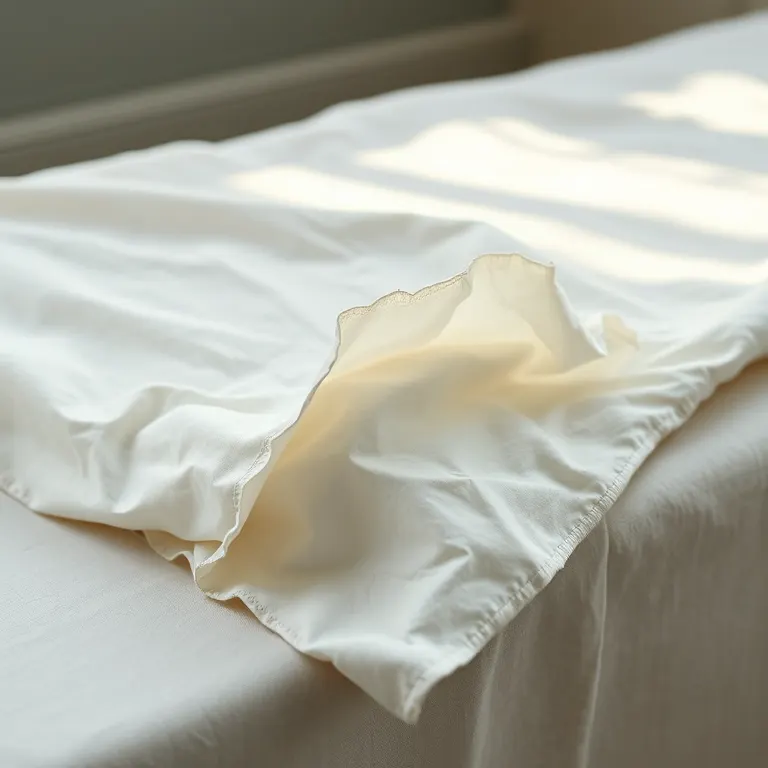
Fold Mill Rag 300, cotton, deckle edge 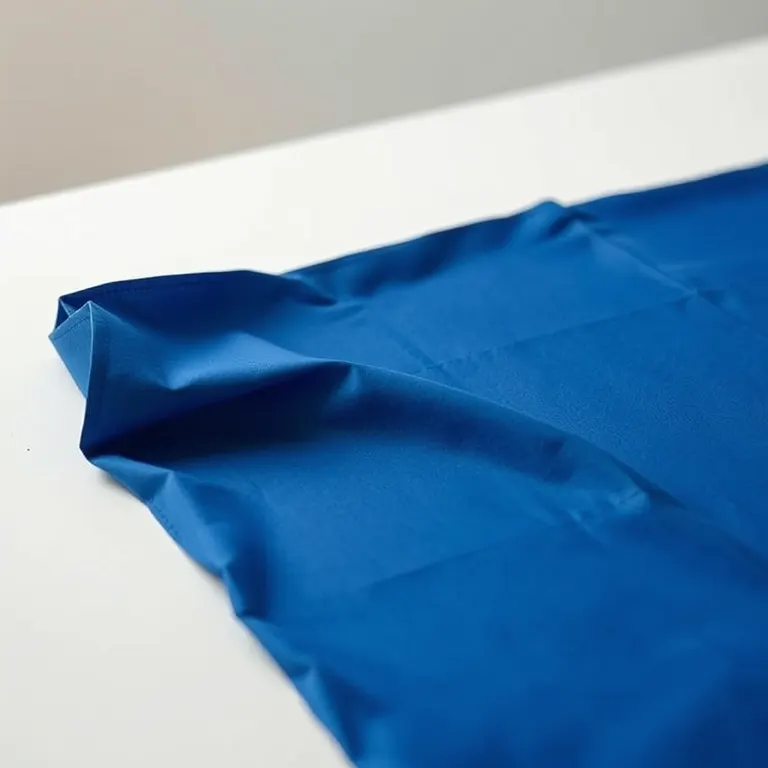
Cobalt Wove 120, smooth, for the risograph 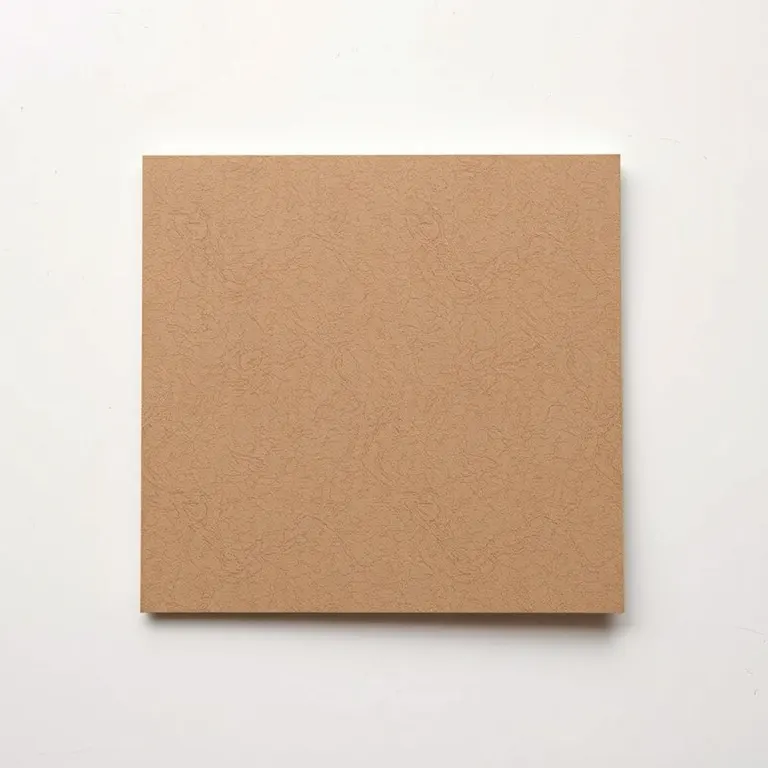
Tern Cover 240, hard sized, takes fine type 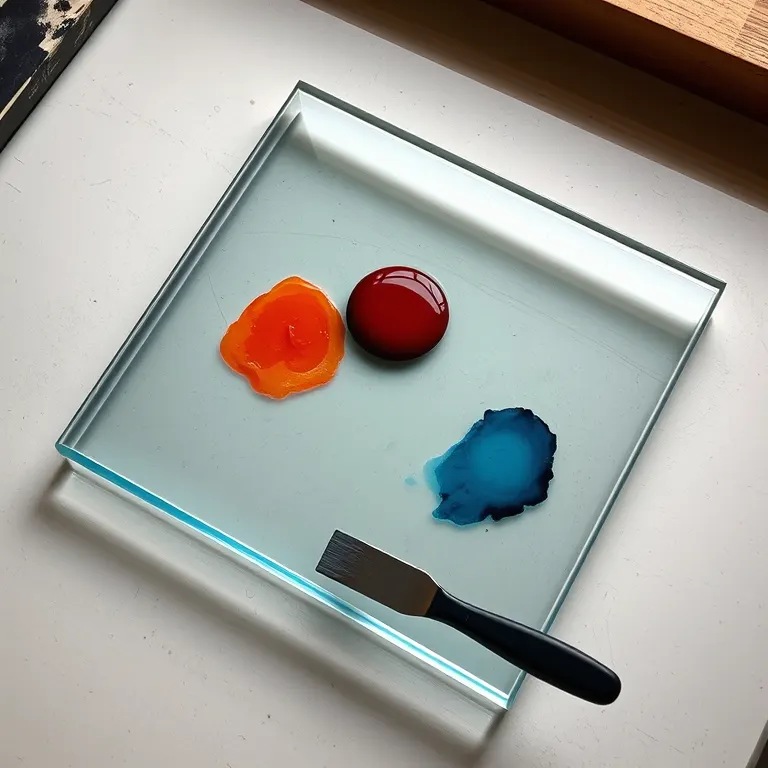
Mixed by weight, recipe on the proof
Limits
What the process cannot do
These are not preferences. They are what the machines will and will not give, and it is cheaper for everybody to know them before the artwork is drawn.
Photographs at full tone
Letterpress prints a flat area of ink or nothing. A photograph has to become a halftone at 100 lines per inch or coarser, which is a decision about the image, not a workaround.
Bleed on the platen
The Korvin grips the edge of the sheet, so nothing can run off it. Bleed is only possible on the flatbed, by printing oversize and trimming, which costs paper.
Exact colour across a long run
Ink lays down heavier as the press warms up. Over 200 sheets the last ones are visibly denser than the first. We sort the run rather than pretend it does not happen.
Hairlines under 0.4 point
A polymer plate will hold a finer line than the paper will accept. On rag stock anything thinner than 0.4 point fills in or disappears, sometimes both on the same sheet.
More than two letterpress colours
Each colour is a separate pass with a day of drying and its own make-ready. Three is possible, costs more than twice as much, and drifts out of register more often than not.
A sheet larger than 520 x 720
That is the bed of the flatbed press. Larger work has to be printed in panels and joined, which is a different kind of object and we will say so.
Courses
Two a year, six people
Four evenings in spring and four in autumn. Six places, because there are six composing stands. You leave with an edition of ten that you set, proofed and printed yourself, and with every spoiled sheet from the make-ready.
Four evenings, 18:30 to 21:30
Paper, ink and plates included. No experience assumed and nothing to bring but a notebook.
Evening 1
The case and the stick
Setting type by hand, spacing, and why the lay of the case is the shape it is. You set one line and correct it three times.
Evening 2
Locking up and make-ready
Furniture, quoins, and packing the press until the impression is even. This is the evening that decides whether the print works.
Evening 3
Printing the run
Mixing an ink, proofing, and pulling an edition of ten on the flatbed. Everyone prints their own; nobody prints for you.
Evening 4
A second colour, and the risograph
Register, drying time and what to do when it goes wrong. The last hour is on the Ronda, which is faster and forgives more.
The spring course fills from the waiting list
Ask to be on it and we will write when the dates are set, before they go anywhere else.